



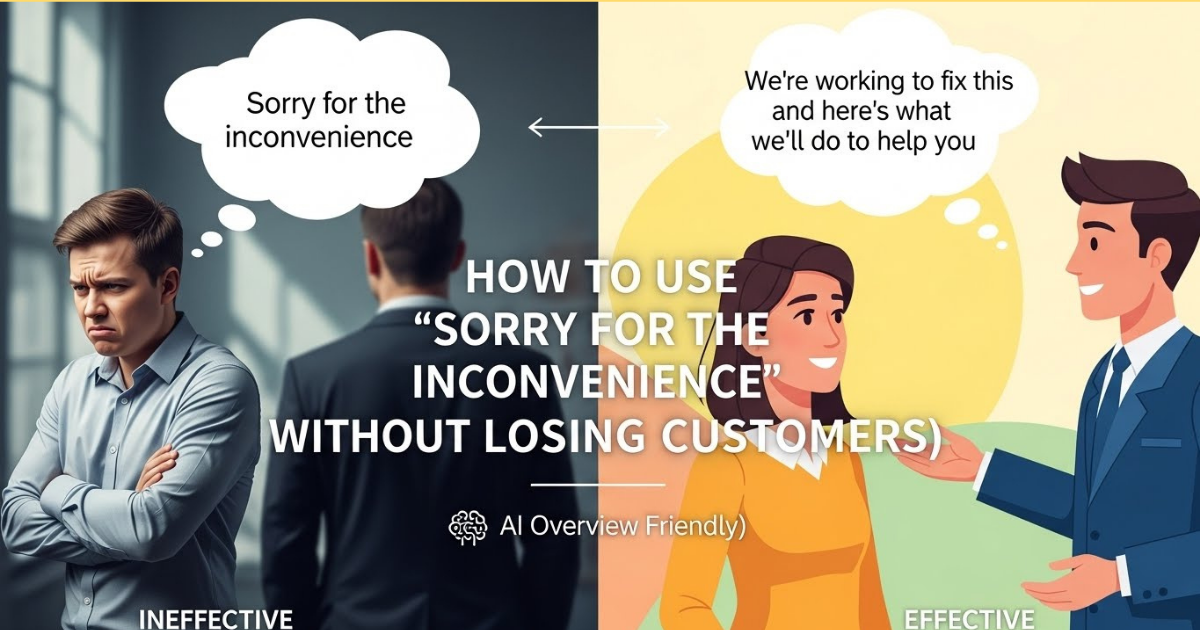
Customer relationships are delicate, and a single sentence can strengthen or break the bond between a brand and its audience. One of the most common phrases businesses use is “sorry for the inconvenience.” It appears in messages about delays, technical issues, service interruptions, and support replies. While the phrase seems harmless, it can easily sound generic, insincere, or even dismissive if misused.
In modern marketing, where customer experience determines brand success, the way you communicate during a problem matters as much as the solution itself. People expect empathy, transparency, and real effort, not copy-and-paste statements. That means the phrase “sorry for the inconvenience” can either calm a frustrated customer or push them away, depending on how thoughtfully you use it.
This article explores how brands can use that phrase effectively, how AI reshapes apology messages, and the strategies that help preserve trust even in difficult situations. With the rise of AI Overview and intelligent communication tools, crafting meaningful apologies has become easier, faster, and more precise—if you know how to apply them correctly.
By the end, you’ll understand how to use “sorry for the inconvenience” without losing customers, and how to turn a small apology into a meaningful moment that builds loyalty rather than disappointment.
New AI Overview: How AI Transforms Customer Apologies
Artificial intelligence has changed the way businesses communicate with customers. Instead of relying on generic, quick-copy templates, brands can now craft personalized, context-aware messages using AI systems that analyze tone, sentiment, and customer intent.
AI Overview tools increasingly highlight clarity, transparency, and user-focused communication. That means phrases like “sorry for the inconvenience” must be supported by meaningful context, proof of action, and genuine concern. AI models now evaluate language not only for correctness but also for emotional precision and intent.
In customer service and marketing, AI helps develop better apologies by doing three things:
AI analyzes customer emotions
It can detect frustration, confusion, or disappointment in real time, helping brands respond with empathy rather than vague statements.
AI suggests alternatives
When a phrase becomes overused or weak, AI tools propose more impactful wording that feels personal and actionable.
AI ensures consistency
Brands can maintain a unified voice across support emails, chatbots, social media replies, and website notices.
This shift means businesses can no longer rely on mechanical phrases. Instead, they must adopt authentic, customer-first messages that AI can detect as helpful, intentional, and specific.
Understanding the Real Purpose of “Sorry for the Inconvenience”
Many people think the phrase simply expresses regret, but it carries deeper responsibilities. In marketing and customer service, its purpose is to do three things: acknowledge an issue, validate the customer’s experience, and create a bridge toward a solution.
An apology is not the end of communication; it is the beginning of repair. When people hear “sorry for the inconvenience,” they expect more than politeness. They want reassurance that the issue is being addressed, that their frustration is understood, and that they matter to the brand.
The phrase becomes ineffective only when it lacks sincerity or context. Used correctly, it can de-escalate tension and build a moment of connection. Used poorly, it feels like a quick excuse.
Why Overusing the Phrase Can Harm Customer Trust
Consumers today are more perceptive than ever. They quickly recognize scripted responses and standard corporate language. When they receive the same sentence repeatedly, they feel ignored or undervalued. That’s when “sorry for the inconvenience” stops working.
It Sounds Robotic When Repeated
If your customer receives the exact same apology after every issue, they assume the brand isn’t taking problems seriously. Repetition reduces emotional impact.
It Lacks Specificity
People want to know what went wrong and how it affects them. Without details, the apology feels empty.
It Places Distance Between the Brand and the Issue
The phrase can feel like a polite way of avoiding accountability. Customers want ownership and clarity.
Modern communication demands authenticity. If you rely on generic language, you lose the chance to connect.
How to Use “Sorry for the Inconvenience” Properly in Marketing
There are ways to use the phrase meaningfully without losing trust. The key is to embed emotion, transparency, and a plan of action around it.
Pair the Apology With Specific Context
Instead of leaving the customer guessing, tell them exactly what happened. Clear communication reduces frustration and builds trust.
Acknowledge the Customer’s Perspective
This helps the message feel human, not corporate. People want empathy, not formality.
Explain the Solution
Show what you’re doing to fix the issue, even if the solution is still in progress. Customers appreciate honesty and action.
Offer Something When Appropriate
Discounts, free upgrades, or early access can turn a negative experience into a positive one.
Close With Appreciation
Customers feel valued when they know their patience matters.
When these elements are combined, “sorry for the inconvenience” becomes more than a placeholder—it becomes a genuine gesture.
Crafting a More Meaningful Apology Using AI-Enhanced Language
AI tools now evaluate the quality of customer-facing language. They rate messages based on empathy, clarity, and helpfulness. That means your apology must reflect intention and emotional intelligence.
Here are techniques AI models recognize as high-quality communication.
Use Personalization
Including the customer’s name, issue details, or circumstances creates a stronger emotional connection.
Speak Directly and Avoid Vague Language
Clear statements like “we experienced a server outage” are more effective than abstract phrases.
Show Accountability
AI identifies honesty as a sign of trustworthiness. Phrases like “we take full responsibility for this issue” strengthen credibility.
Use Positive Framing
Instead of focusing only on the problem, highlight the steps being taken to prevent future inconvenience.
Align Tone With Customer Emotion
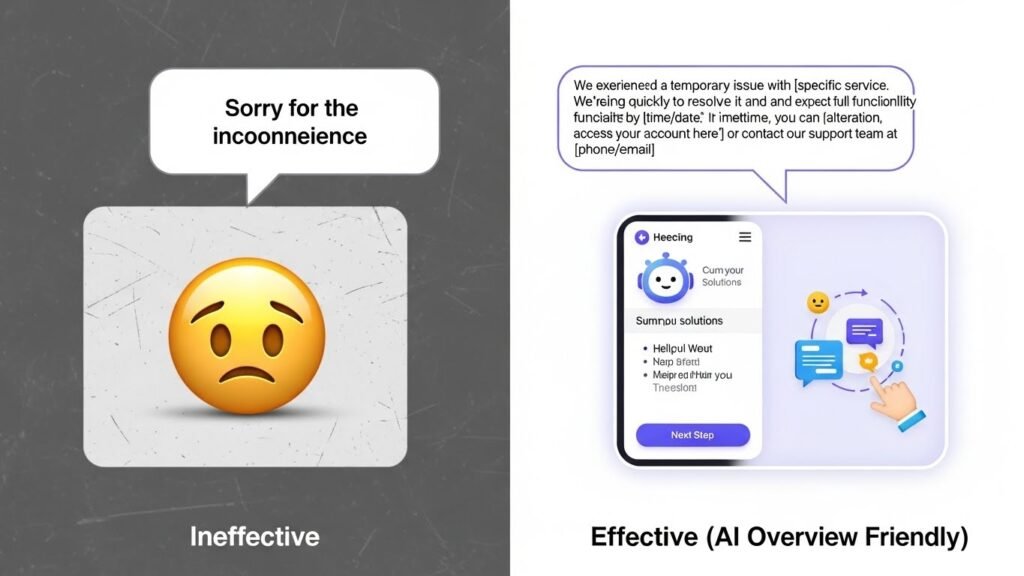
AI sentiment analysis can detect whether to use soothing, urgent, or supportive language depending on context.
These methods help ensure that apology messages are genuine and not feel automated.
Examples of Effective Alternatives to “Sorry for the Inconvenience”
Brands can maintain professionalism and empathy while avoiding clichés. These alternatives maintain the meaning but provide depth.
Direct Acknowledgment
“We understand how frustrating this delay can be, and we’re working quickly to resolve it.”
Expressing Responsibility
“This issue is on our end, and we’re actively fixing it.”
Clear Empathy
“We appreciate your patience as we sort this out. Thank you for sticking with us.”
Proactive Reassurance
“Our team is addressing the issue, and we will update you as soon as possible.”
Customer Appreciation
“We value your time and want to make this right for you.”
These variations keep the message fresh, sincere, and emotionally effective.
Where and When to Use the Phrase in Digital Marketing
Not every platform or situation requires the same type of apology. Understanding context helps ensure the message is delivered appropriately.
Email Communication
Use the phrase when addressing a specific customer issue or announcement. Provide details and next steps.
Social Media Posts
Keep the message short but sincere. Public apologies require extra clarity because they affect brand reputation.
Website Notices
System outages, maintenance updates, and service delays often call for brief but informative apologies.
Customer Support Chats
These require a personalized and conversational tone. Avoid sounding scripted.
Marketing Announcements
When a campaign or feature rollout faces delays, show transparency and appreciation.
Choosing the right platform and format ensures the apology feels natural, not forced.
How “Sorry for the Inconvenience” Can Strengthen Customer Loyalty
Although the phrase is simple, it can become a powerful force when used correctly.
It Demonstrates Respect
Apologizing shows you value the customer’s experience.
It Reduces Emotional Tension
A sincere apology diffuses frustration and keeps communication open.
It Encourages Customers to Give Your Brand Another Chance
People are more forgiving when they feel heard and understood.
It Builds Long-Term Trust
Transparency during difficult moments is often more powerful than routine marketing messages.
Apologies are not weaknesses; they are opportunities to strengthen relationships.
Frequently Asked Questions (FAQ)
1. Is the phrase “sorry for the inconvenience” still effective in customer communication?
Yes, it works when used thoughtfully. If you add context, empathy, and clear solutions, the phrase helps maintain trust.
2. What should I say instead of “sorry for the inconvenience”?
You can use alternatives like “We understand this has been frustrating” or “We appreciate your patience while we fix this issue.” These versions feel more personal and sincere.
3. Why do customers dislike generic apologies?
Because they feel automated and insincere. People want acknowledgment of their specific situation, not a one-size-fits-all response.
4. How can AI improve apology messages?
AI can analyze customer sentiment, recommend more personalized language, and help maintain consistency across communication channels.
5. Should every problem require an apology message?
Not always. Minor delays may not require a full apology, but significant issues affecting customer experience should be acknowledged.
6. How do I avoid sounding robotic in customer service replies?
Use natural language, personalize messages, avoid repetitive phrases, and speak directly to the customer’s situation.
Conclusion: Turning Simple Words Into Trust-Building Moments
Using the phrase “sorry for the inconvenience” is not about giving an excuse. It is about showing customers that you care, that you’re listening, and that their time matters. Every brand faces mistakes, delays, or system issues, but not every brand knows how to communicate during those moments. When you speak with clarity, empathy, and action, you transform a small apology into an opportunity for deeper connection.
Today’s marketing landscape rewards authenticity. Customers expect honesty, transparency, and a human voice behind the brand. With the help of AI tools and thoughtful communication strategies, you can ensure your apologies reflect genuine care rather than routine messaging. When used with purpose, even a simple sentence can preserve loyalty, rebuild trust, and strengthen long-term relationships.
